
Blog
How Women Can Overcome Common Health Challenges With Fitness Apps

Technology has emerged as a reliable ally in enhancing women’s health and overall well-being across the globe. Fitness apps now play an important role in tackling common health challenges that women face daily. From balancing hormones to managing stress and maintaining a healthy weight, these apps make wellness more structured and accessible.
The use of health and fitness technology is expanding quickly across the world every year. A recent EMARKETER forecast revealed that by 2025, nearly 92 million Americans will actively use smartphone health and fitness applications. This surge highlights a growing awareness of digital tools that empower individuals to take control of their physical and emotional health.
Fitness apps encourage women to stay active, track progress, and adopt healthy routines with greater consistency.
By combining personalized workouts, nutrition guidance, and mindful tracking, these apps support both short-term goals and long-term well-being.
This article aims to explore how fitness apps help women overcome common health challenges and achieve balanced living.
Managing Hormonal Imbalance
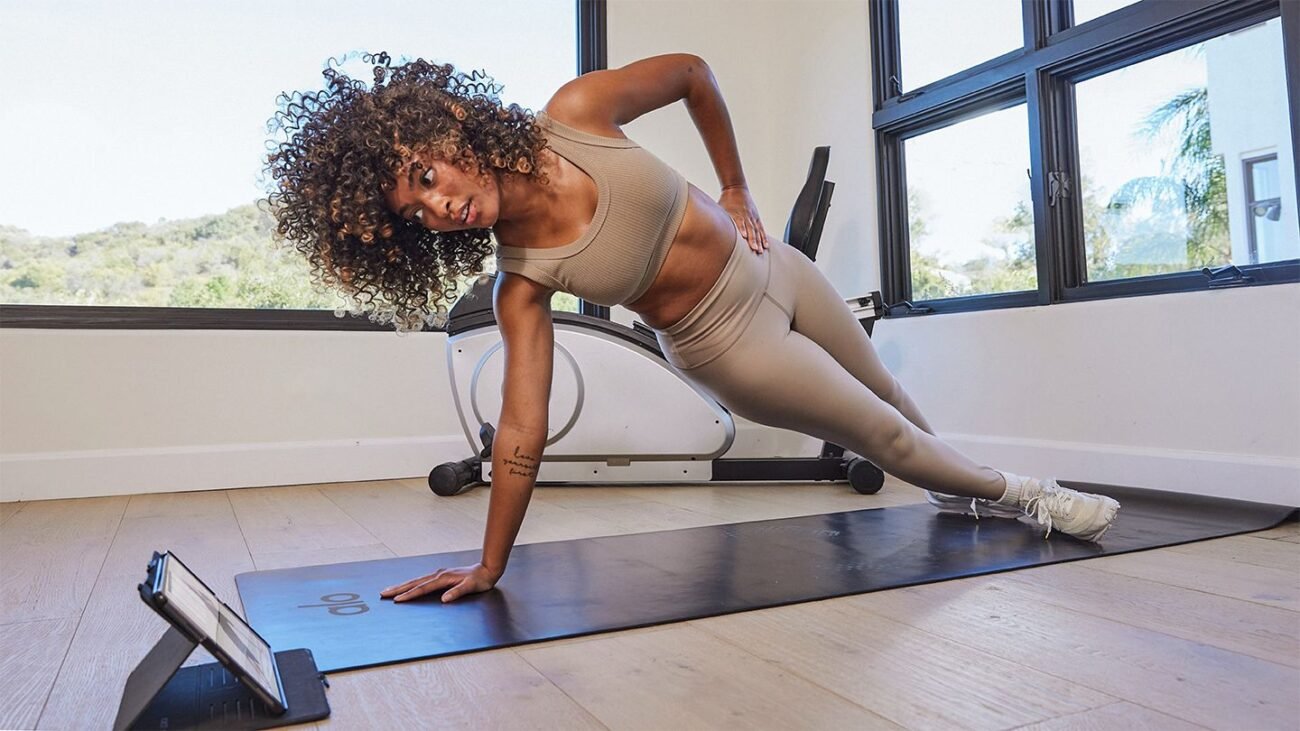
Hormonal fluctuations can influence a woman’s energy, mood, and physical well-being. Engaging in regular physical activity helps regulate hormones by lowering stress hormones and supporting healthy estrogen activity. With fitness apps, women can now maintain consistent routines and manage these changes with greater ease.
Many apps offer guided workouts that combine yoga, stretching, and low-impact strength training to support hormonal regulation. These exercises improve blood flow, reduce bloating, and help control mood fluctuations during menstrual cycles. Consistent routines also promote better sleep, a stronger metabolism, and emotional stability through structured movement plans.
A study in the Journal of Medical Internet Research explored how millennial and Gen Z women use mobile period tracker apps. It found that most users relied on these apps to predict menstrual cycles and manage related symptoms. Education level, dysmenorrhea symptoms, and consistent app usage positively influenced effective cycle management.
Childbirth experience and irregular periods were linked to lower app engagement and management accuracy. The study found that using period tracker apps helps young women gain deeper awareness of their bodies and enhance their reproductive well-being.
Reducing Stress Urinary Incontinence
Stress urinary incontinence (SUI) is a common yet often overlooked condition among women. It occurs when physical movement or pressure causes urine leakage due to weak pelvic muscles. Fitness apps now offer guided pelvic floor or Kegel training programs to strengthen these muscles effectively.
- A study in MDPI examined how mobile apps support women in managing SUI through pelvic floor exercises.
- Participants followed either a standard guide or an app with animations, reminders, and progress tracking.
- After three months, both groups improved, but app users showed better consistency and higher exercise adherence.
- However, many women still rely on traditional methods like vaginal mesh implants to address SUI.
- While these implants were initially introduced as a long-term solution, they have been linked to complications.
- According to TorHoerman Law, many women have reported side effects like mesh erosion, chronic discomfort, and recurring infections.
These complications impact physical health while leading to emotional distress and financial strain for the affected women. To seek justice and relief, several victims are now turning to legal options. Through a vaginal mesh lawsuit, victims seek to hold manufacturers responsible for the injuries they have suffered. These legal claims also strive to secure rightful compensation for medical costs and emotional distress.
Supporting Postpartum Recovery and Emotional Health
After childbirth, many women face both physical and emotional recovery challenges. Fitness apps designed for postpartum health focus on gradual strengthening exercises that help rebuild core stability and reduce fatigue. Gentle yoga and stretching improve flexibility and boost circulation, aiding overall recovery.
Many fitness platforms integrate community support and emotional tracking tools. These allow new mothers to connect with others, share progress, and find encouragement. This sense of belonging reduces postpartum loneliness and helps women maintain mental wellness during the recovery journey.
A study in BioMed Central explored the role of mobile health (mHealth) apps in promoting mental health and obesity prevention among postpartum women. It found that frequent use of mHealth apps significantly improved both mental health and physical outcomes. Daily and weekly users demonstrated healthier dietary habits, lower Body Mass Index scores, and stronger emotional balance.
The research also found that regular use of the app accounted for about 82% of improvements in women’s mental health. These results highlight the importance of regular fitness app usage in supporting postpartum recovery and overall well-being.
Combating Stress and Sleep Disorders
| Section | Details |
|---|
| Topic | Combating Stress and Sleep Disorders |
| Overview | Stress and poor sleep are common challenges for women due to busy schedules, family responsibilities, and work pressure. These factors disrupt natural sleep cycles, causing fatigue and mood changes. Early intervention helps maintain energy and emotional stability. |
| Role of Wellness Apps | Apps like Calm, Headspace, and FitOn provide accessible tools for stress and sleep management through guided meditation, breathing exercises, and gentle workouts that calm the body and mind. |
| Benefits of Mindfulness and Movement | Combining mindfulness with light exercise reduces anxiety and enhances focus. Consistent use builds inner balance, helping women face challenges with greater calmness and confidence. |
| Sleep Monitoring and Improvement | Tracking sleep patterns helps users evaluate rest quality and recovery. Awareness of sleep performance encourages better habits—like regular sleep schedules and reduced screen time before bed—leading to improved emotional balance and overall wellness. |
FAQs
1. Are fitness apps safe for pregnant women to use?
Yes, many fitness apps offer pregnancy-safe workouts that include light stretching, prenatal yoga, and guided breathing exercises. Women should consult a doctor before starting any new fitness plan. Apps designed for prenatal care adapt workouts based on trimester stages and overall physical condition, ensuring both safety and comfort.
2. Can fitness apps replace professional health consultations?
No, fitness apps should complement but never replace medical advice. They are effective for tracking daily habits, workouts, and nutrition. However, if a woman experiences health issues, professional medical consultation remains essential. While apps boost motivation and self-awareness, they aren’t a substitute for professional medical evaluation or treatment.
3. How do fitness apps maintain user privacy and data safety?
Most reputable apps follow strict privacy standards and data protection laws. They use encrypted systems to secure personal health data and prevent unauthorized access. Users should review app privacy policies before signing up and avoid sharing sensitive details outside verified platforms to ensure maximum digital safety.
Fitness apps have become valuable tools that help women manage a wide range of health challenges confidently and consistently. They simplify wellness by supporting hormone balance, postpartum recovery, bladder control, and stress management through guided routines and easy tracking.
With continued advancements in technology, these apps will keep empowering women to care for their physical and emotional well-being. By combining accessibility, motivation, and education, they promote a more balanced and fulfilling approach to women’s health.

